Do You Have a Leaky Gut?
Gut health gets talked about a lot online, but “leaky gut” is one of those terms that’s often oversimplified or misunderstood.
At its core, leaky gut (clinically referred to as increased intestinal permeability) describes a breakdown in the gut lining that allows substances to pass into the bloodstream that normally wouldn’t.
When that barrier is compromised, it can trigger inflammation, immune activation, and a cascade of symptoms that often don’t seem digestive at all.
Let’s break down what leaky gut can look like, the health conditions commonly linked to it, and realistic ways to support gut healing.
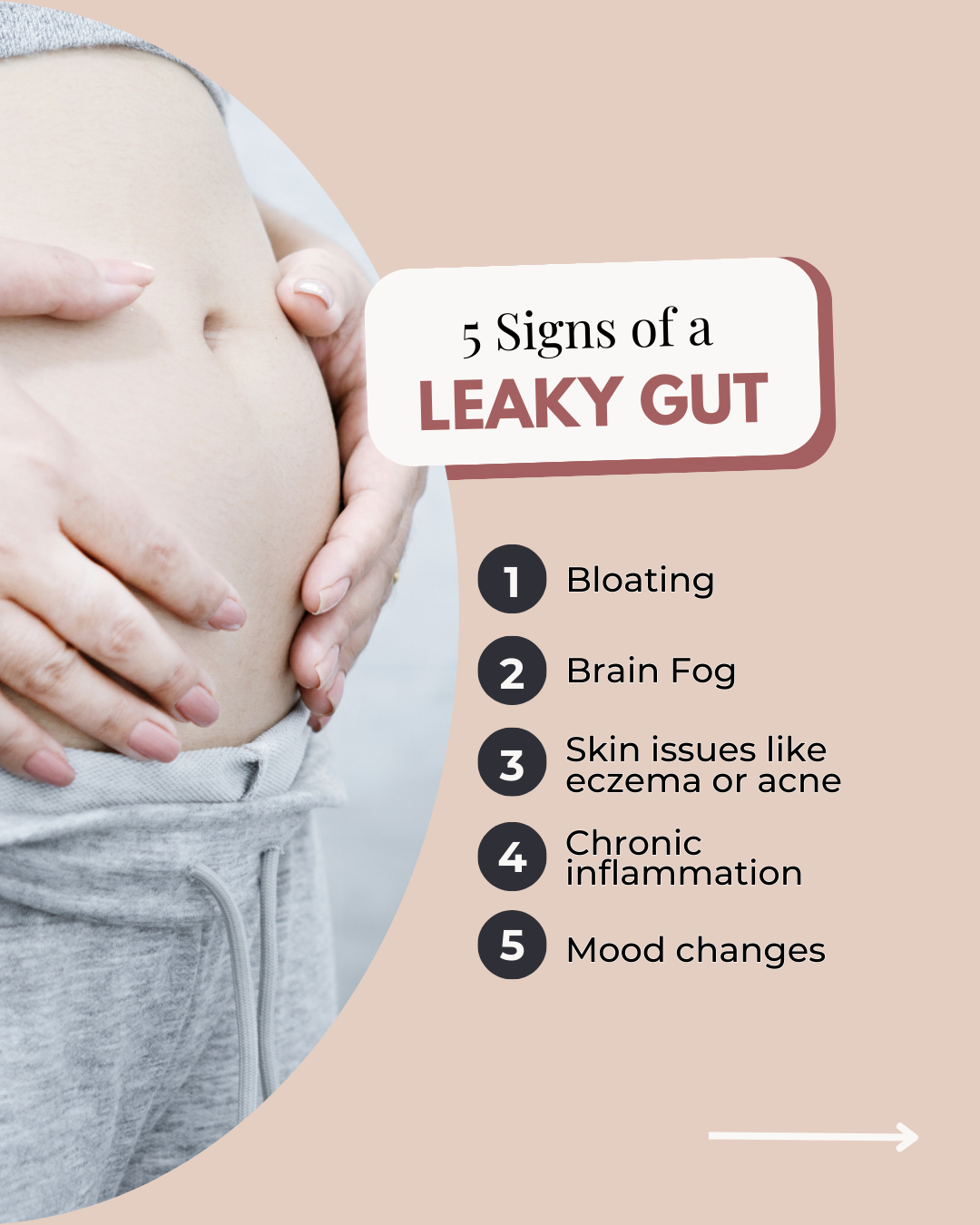
5 Common Signs of a Leaky Gut
Leaky gut doesn’t show up the same way for everyone. For many people, the signs are subtle and build over time.
1. Bloating
Frequent bloating, especially after meals, can be a sign your gut lining or microbiome isn’t handling food well.
2. Brain Fog
Difficulty concentrating, mental fatigue, or feeling “foggy” can be connected to gut inflammation and immune signaling.
3. Skin Issues
Conditions like acne or eczema are often linked back to gut health and immune responses.
4. Chronic Inflammation
Low-grade, persistent inflammation can stem from increased intestinal permeability and immune activation.
5. Mood Changes
The gut and brain are deeply connected. Anxiety, irritability, or low mood can sometimes reflect what’s happening in the gut.
Lifestyle Habits That Support Gut Healing
Gut healing isn’t just about food. Your nervous system, sleep, and stress levels all play a role.
1. Manage Stress
Chronic stress increases intestinal permeability. Practices like breathwork, meditation, yoga, journaling, or time in nature can help calm the nervous system and support gut repair.
2. Practice Mindful Eating
Digestion works best in a relaxed, parasympathetic (“rest and digest”) state. Slowing down, eating without distractions, and chewing thoroughly can make a noticeable difference.
3. Move Your Body
Regular movement improves microbiome diversity and supports gut lining integrity. Just be mindful not to overdo intense exercise for long periods, as that can stress the gut.
4. Optimize Sleep
Sleep is essential for gut repair. Poor sleep disrupts the microbiome and increases inflammation. Aim for 7–9 hours per night whenever possible.

Dietary Tips to Restore the Gut Barrier
Food plays a foundational role in gut healing. These strategies are often used in clinical nutrition to support the gut lining.
1. Eliminate Irritants
Common gut irritants include sugar, alcohol, ultra-processed foods, refined grains, and fast food. Gluten and dairy are also frequently removed temporarily, as they can promote inflammation in sensitive individuals.
2. Focus on Healing Foods
Prioritize a nutrient-dense, anti-inflammatory diet rich in fruits, vegetables, legumes, gluten-free grains, quality protein, and healthy fats like olive oil and avocado.
3. Eat More Omega-3-Rich Foods
Fatty fish (salmon, sardines, mackerel), flax, walnuts, and chia seeds provide omega-3s that help calm gut inflammation.
4. Include Prebiotic Foods
Prebiotics feed beneficial gut bacteria. Foods like garlic, onions, leeks, asparagus, chicory, oats, and apples help support a healthier microbiome.
5. Sip Bone Broth
Bone broth provides collagen, gelatin, and amino acids like glycine, proline, and glutamine, all of which may support gut lining repair.
6. Try Ghee
While dairy is often avoided during gut healing, ghee is a common exception. It’s rich in butyrate, a short-chain fatty acid that nourishes the cells of the gut lining.
The Bottom Line
Gut healing isn’t about perfection or extreme restriction. It’s about removing what’s aggravating the gut, consistently supporting the body with nourishing foods and lifestyle habits, and giving the gut time to repair.
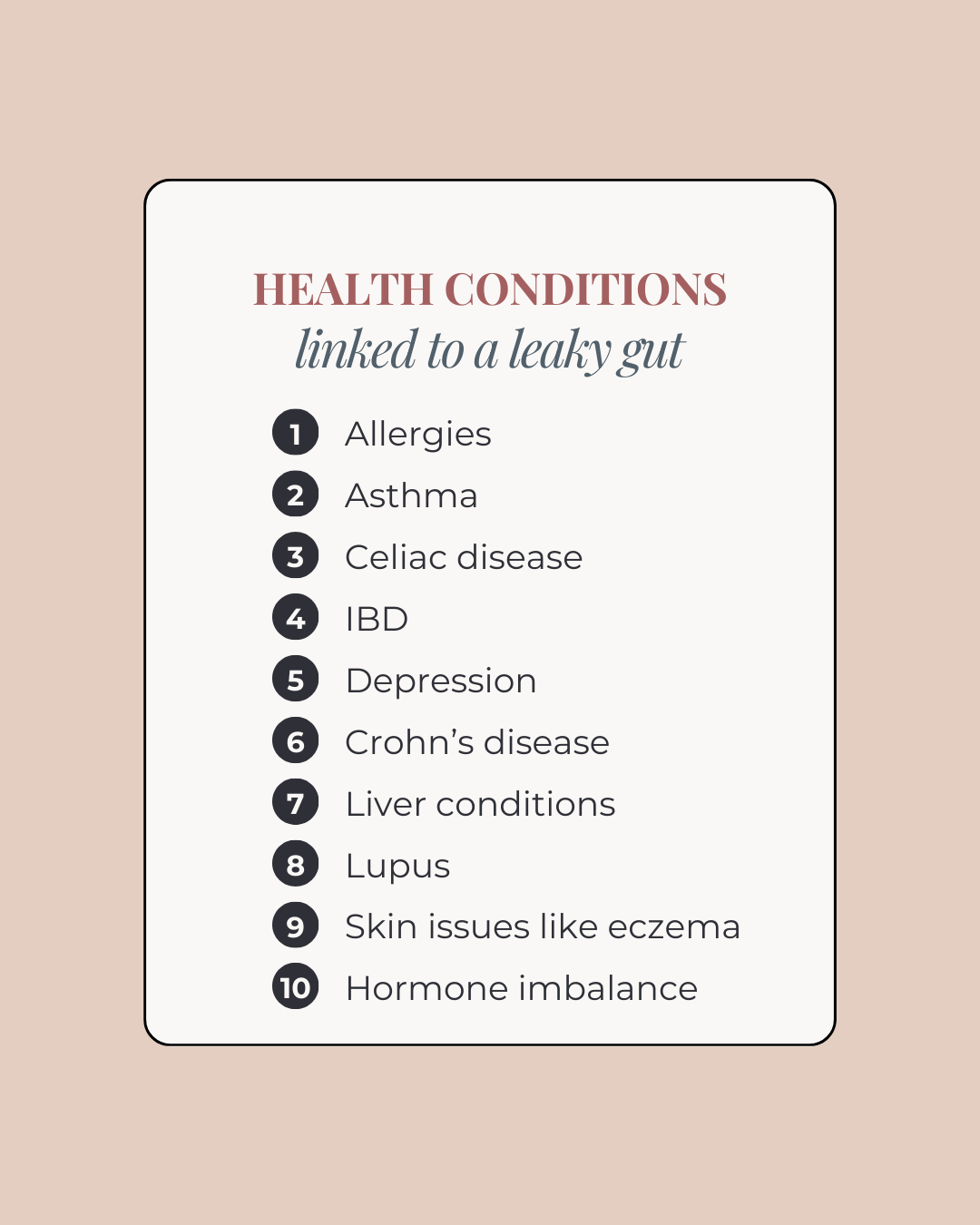
If you’re dealing with bloating, skin issues, mood changes, or stubborn hormone symptoms, your gut may be an important piece of the puzzle.