Fertility Guide for Men and Women

Trying to conceive can feel exciting… and overwhelming at the same time.
Most people are told fertility is simply about timing but biology isn't always that simple. Ovulation quality, hormone balance, inflammation, sleep, nutrition, and even daily habits all influence whether conception happens easily or takes longer than expected.
Luckily, our bodies respond to consistency.
Small adjustments in how you eat, sleep, move, and manage stress can significantly improve reproductive health over time.
This guide walks through the key areas that affect fertility for both women and men, and how to support them in a practical, realistic way.
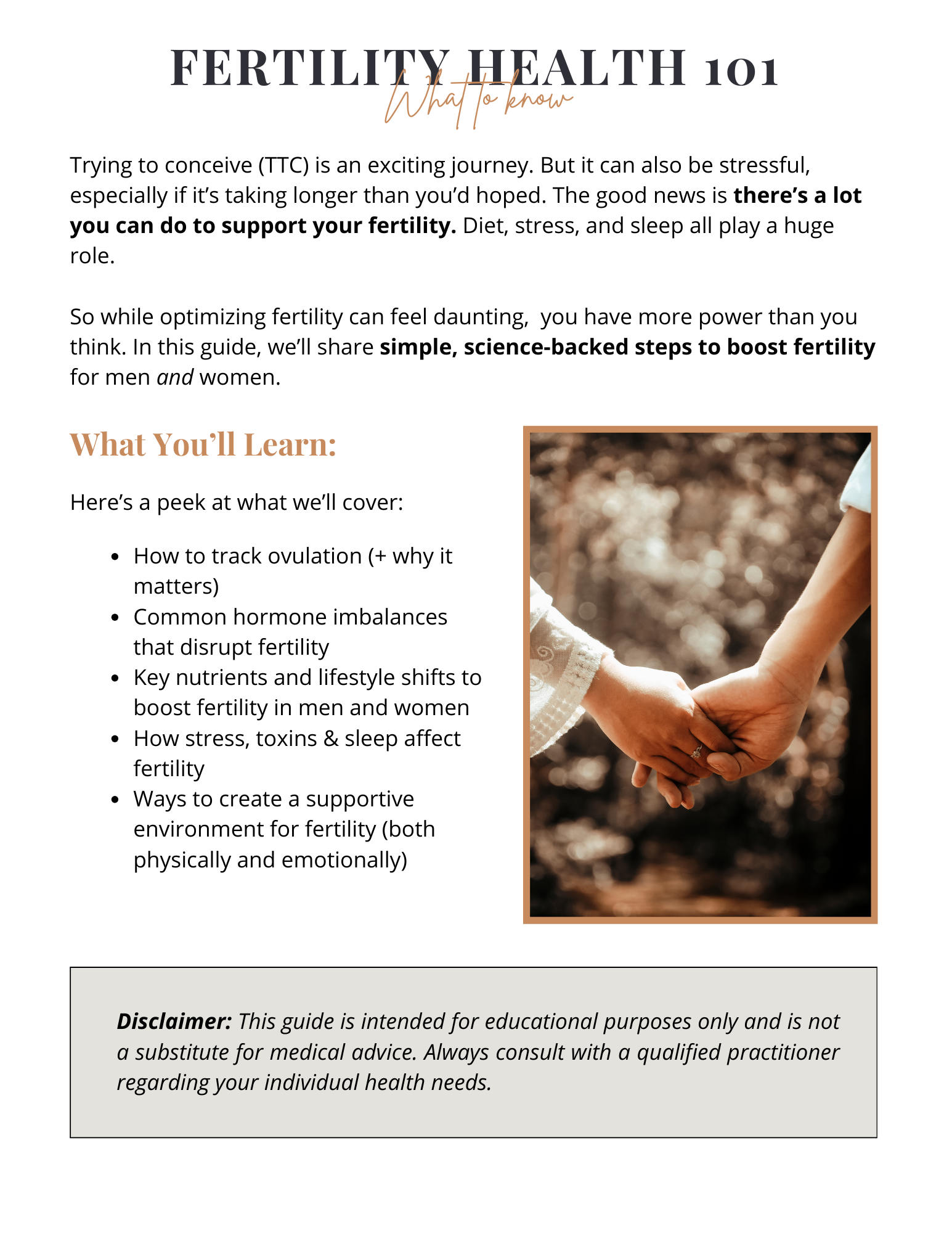
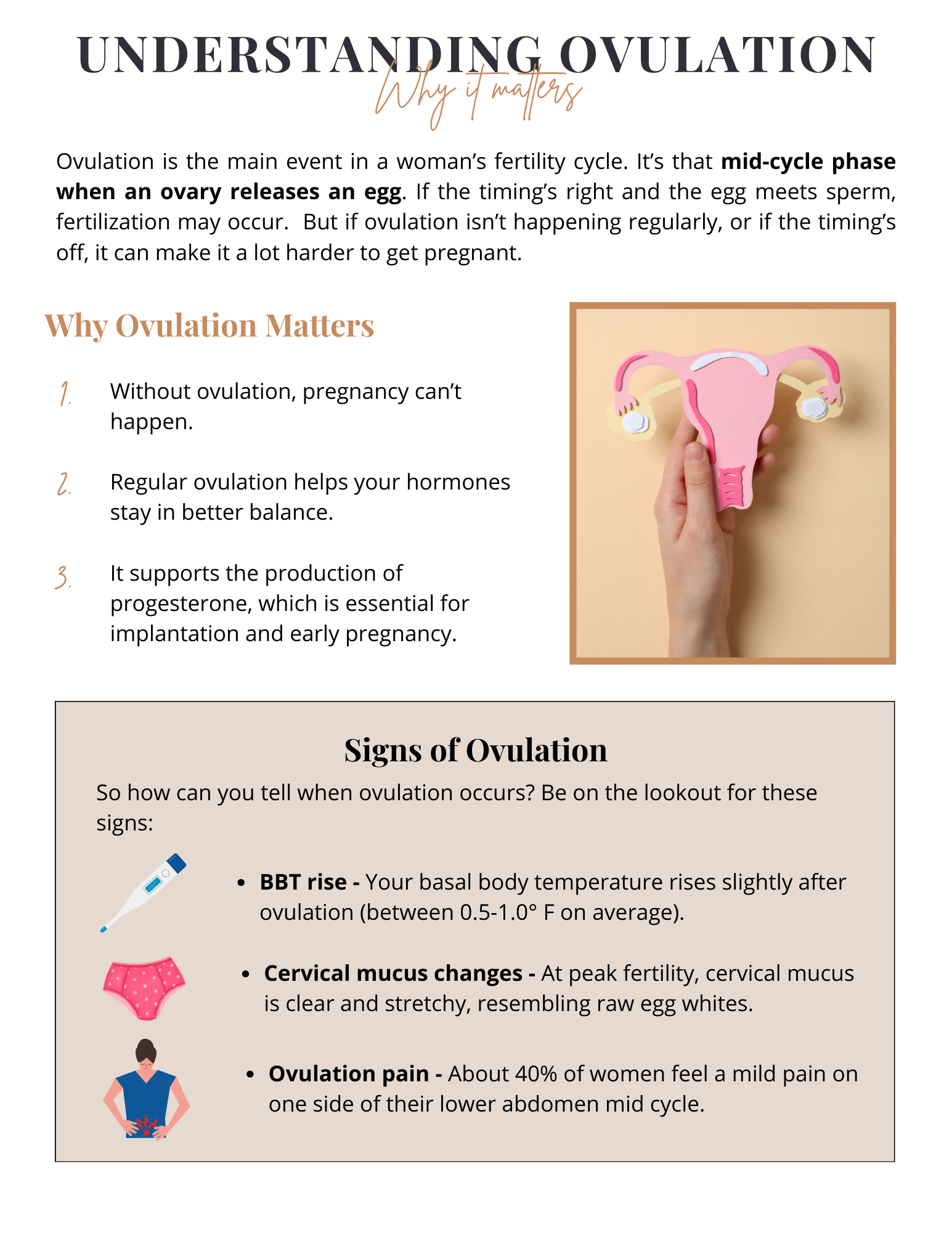
Before focusing on supplements or advanced testing, it helps to understand the central event that determines fertility: ovulation.
Everything else - hormones, timing, cervical mucus, and the fertile window - revolves around whether ovulation is happening regularly and predictably.
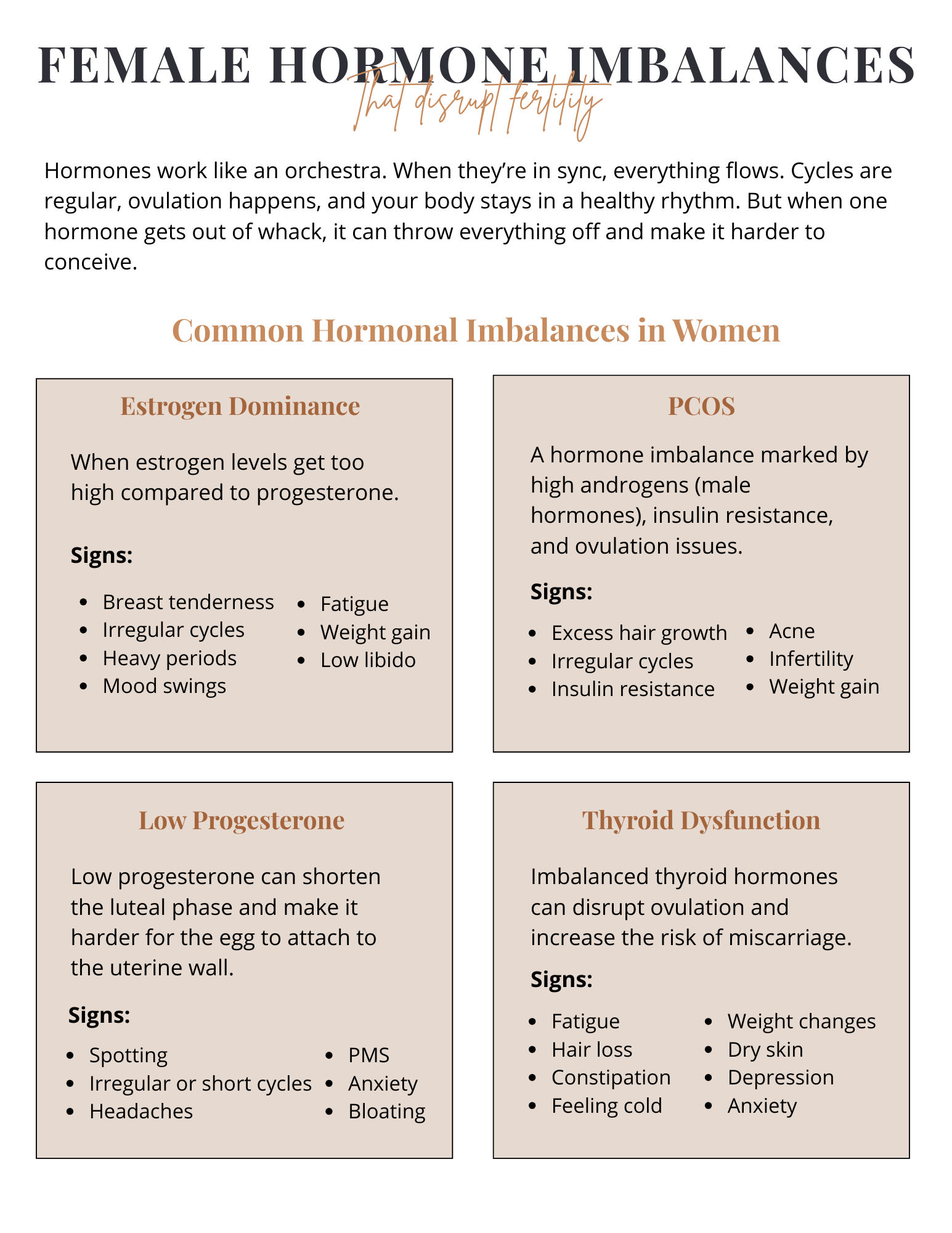
If ovulation isn’t consistent, the body is usually communicating something deeper.
Hormone imbalances rarely appear randomly. They tend to reflect stress signals, metabolic health, inflammation, or nutrient deficiencies. Identifying patterns is often more helpful than chasing isolated symptoms.
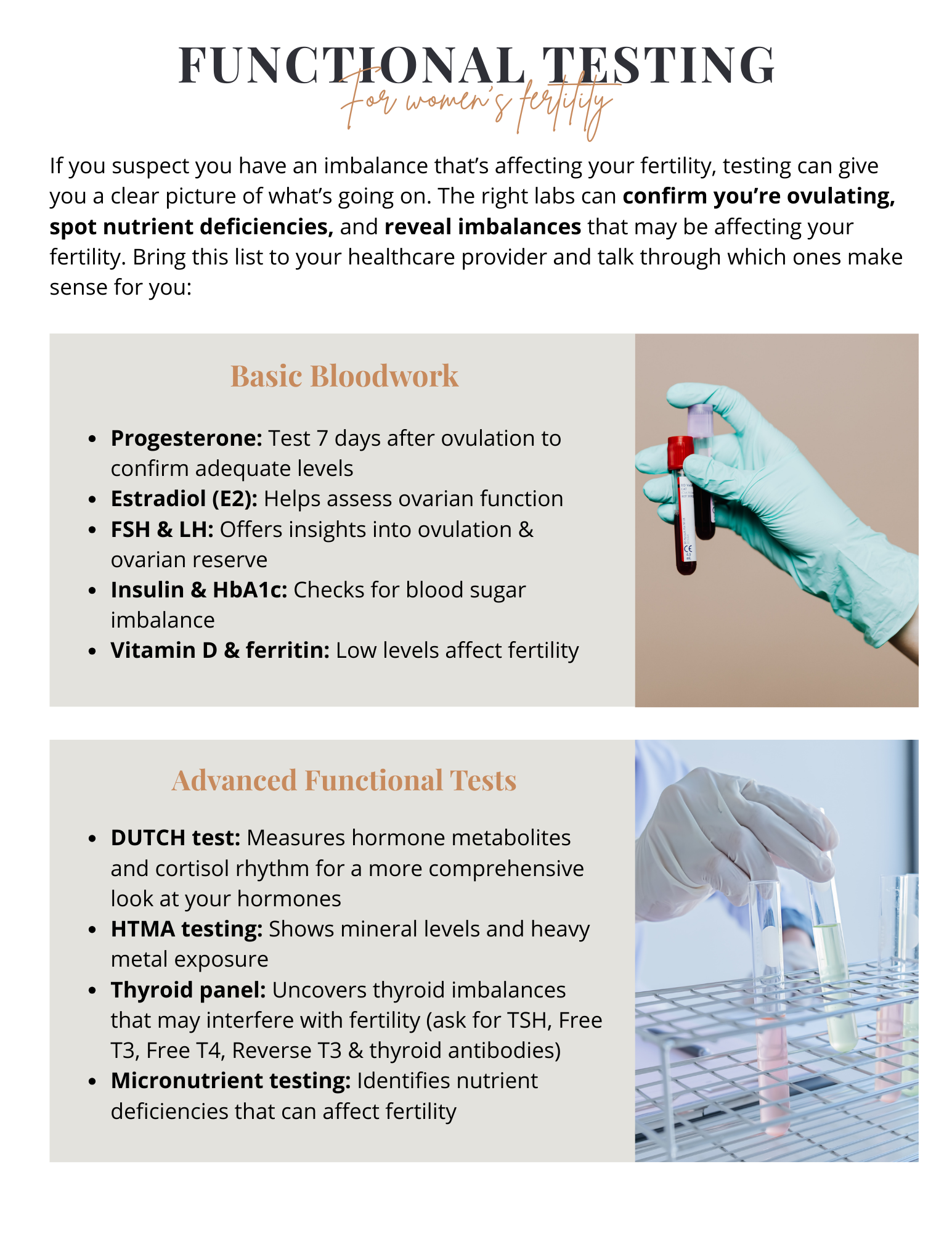
Sometimes lifestyle changes alone clarify things. Other times, objective data speeds the process up.
Testing doesn’t replace foundational habits, but it can remove guesswork and help you focus your effort where it matters most.
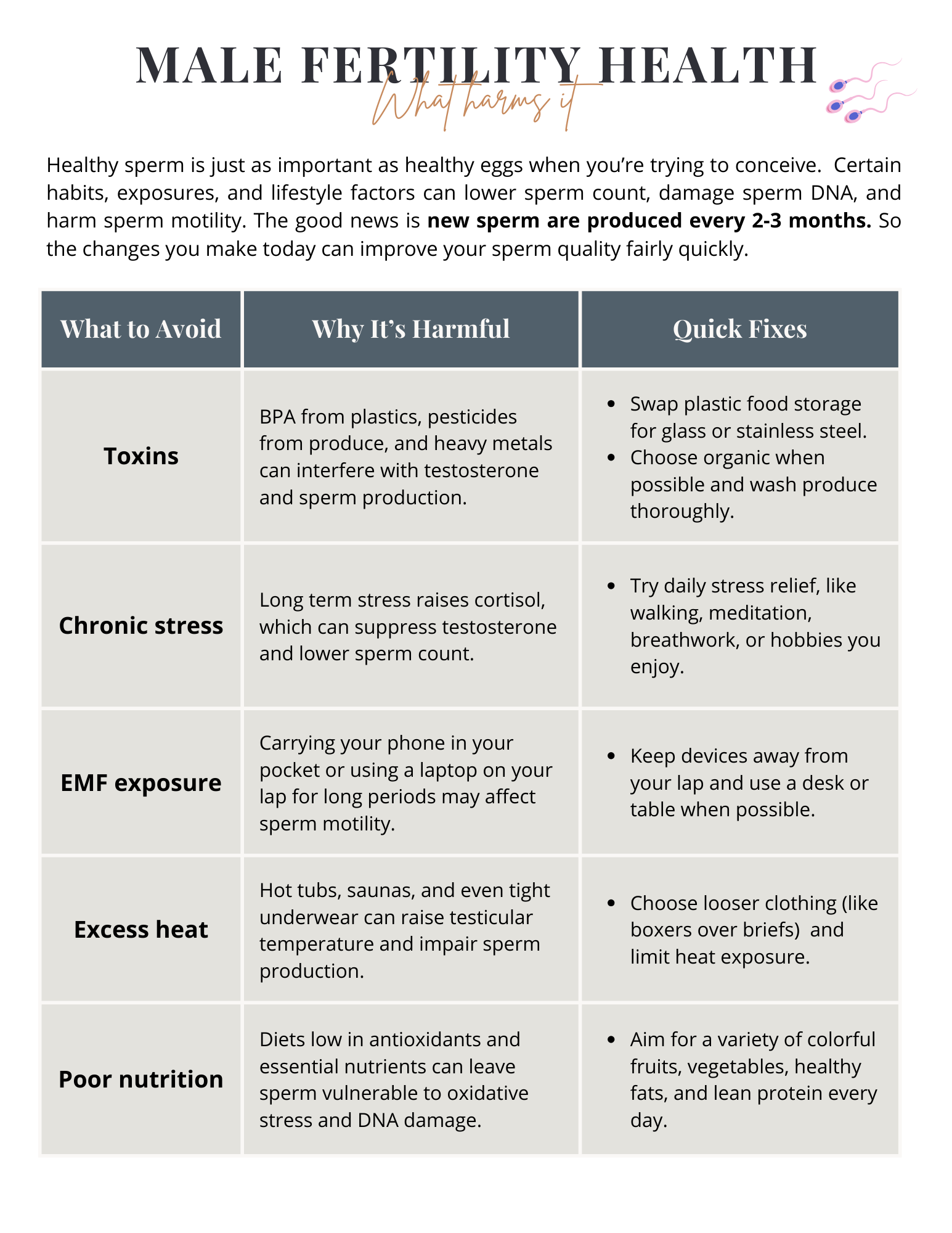
Fertility is often discussed as a women’s health topic, yet sperm health contributes to roughly half of conception challenges.
Improving outcomes means supporting both partners, and male fertility tends to respond quickly to changes because sperm regenerate regularly.
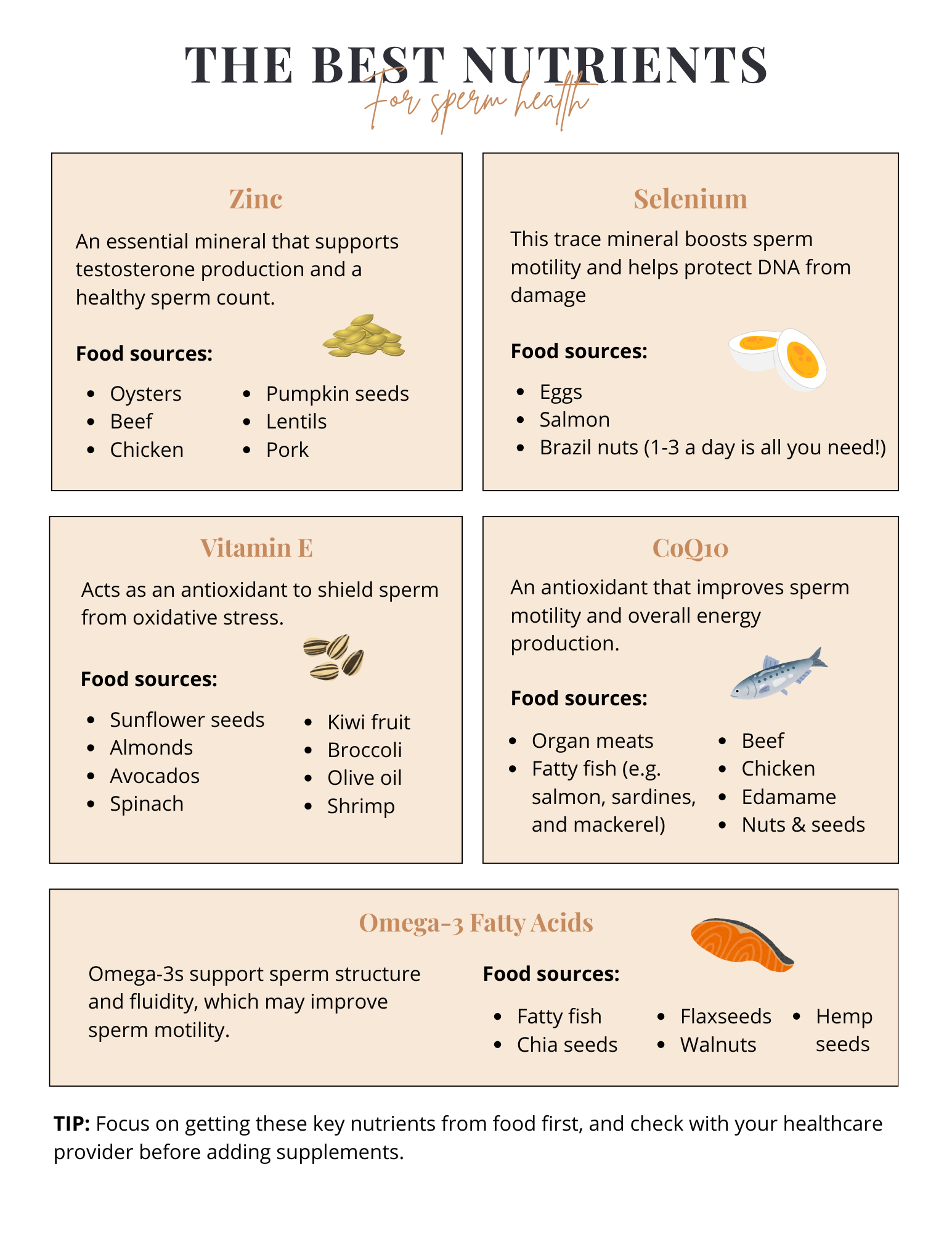
Once major stressors are reduced, the body needs raw materials to function well. Reproductive cells are some of the most nutrient-sensitive tissues in the body, meaning deficiencies show up here early.
Food quality matters during this phase.
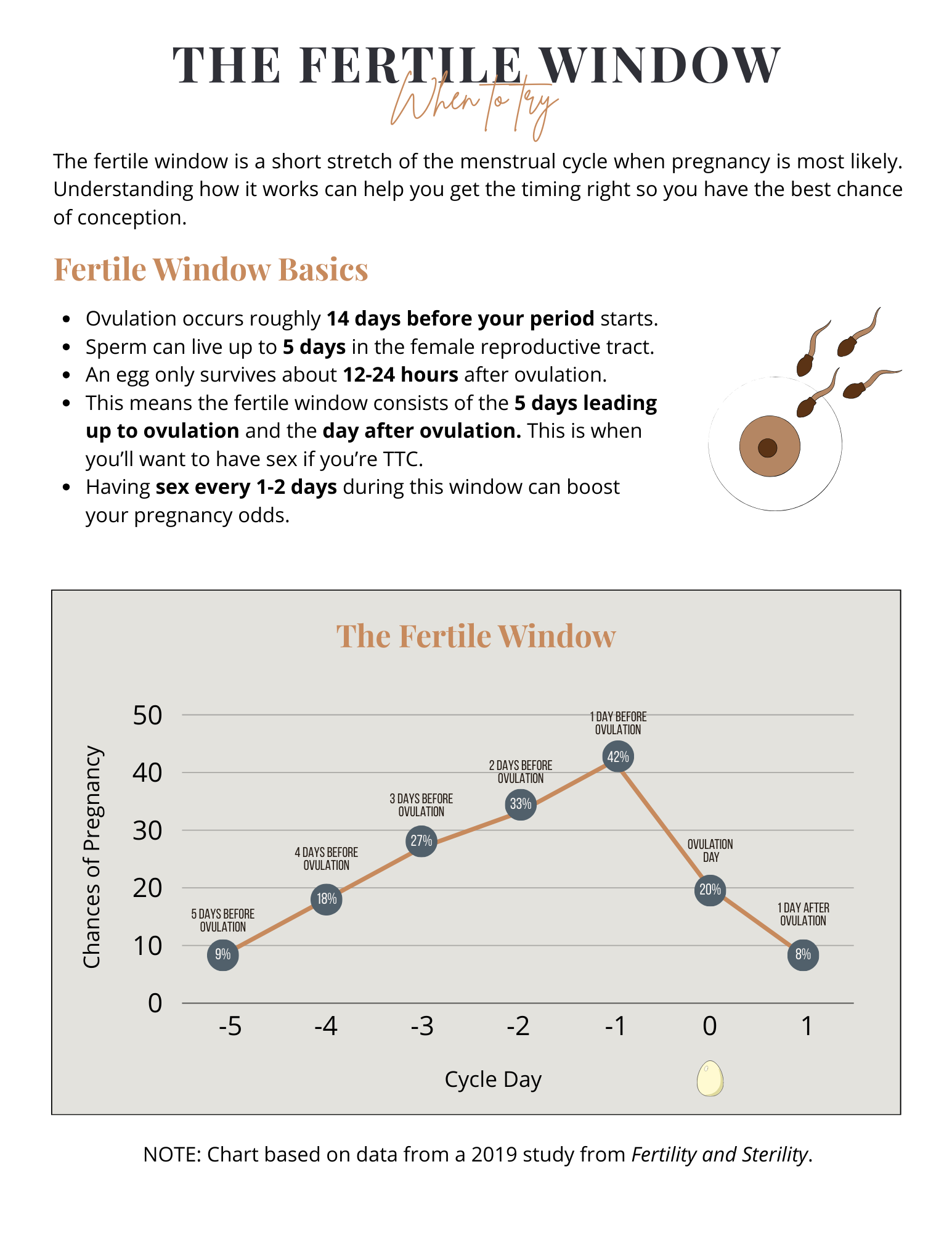
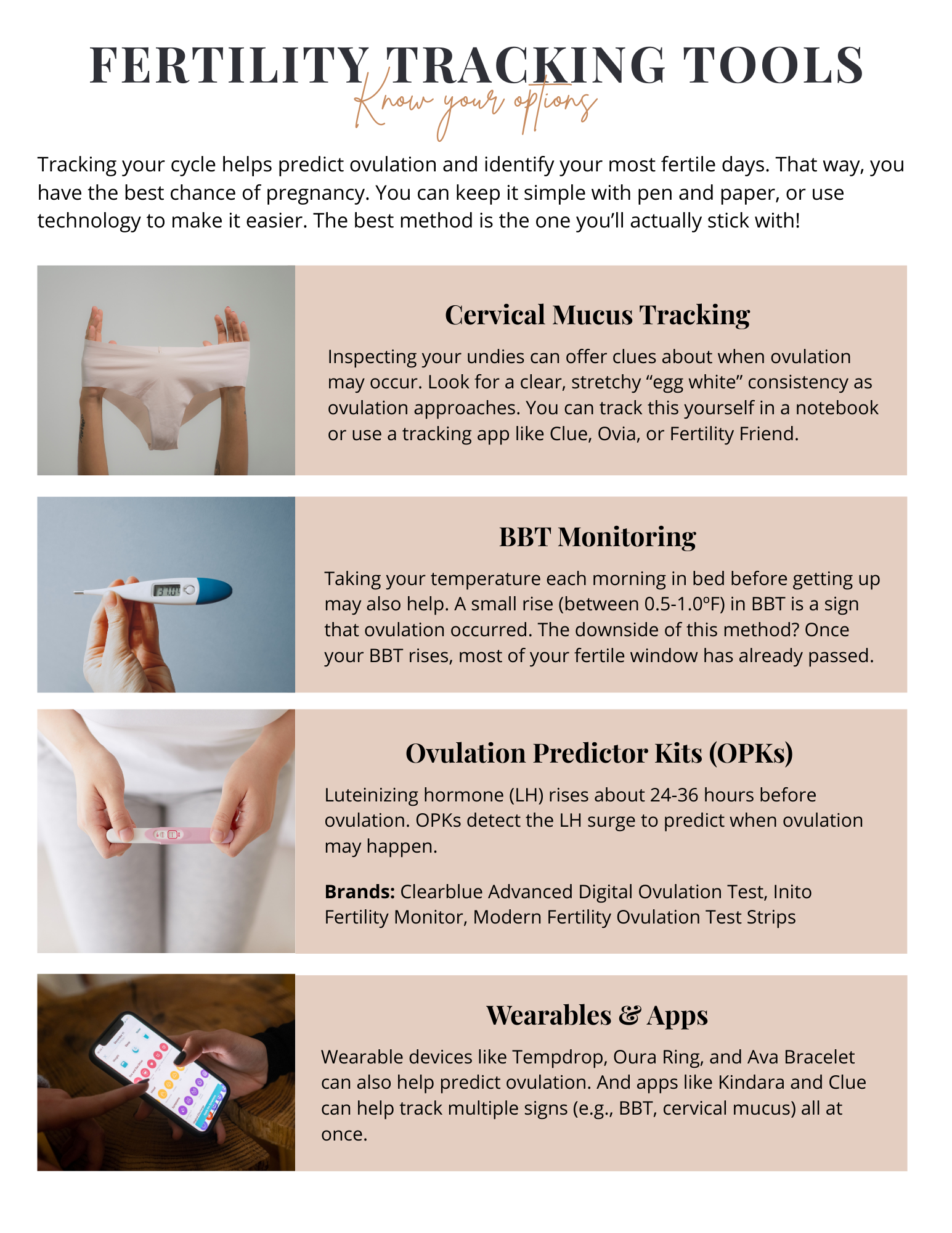
Even with healthy hormones, timing still matters.
Understanding the fertile window prevents unnecessary frustration. Many couples simply miss the days when pregnancy is biologically possible.
Tracking isn’t meant to create pressure, and it removes uncertainty.
The goal isn’t perfection. It’s awareness. Choose the method you’ll actually stick with.
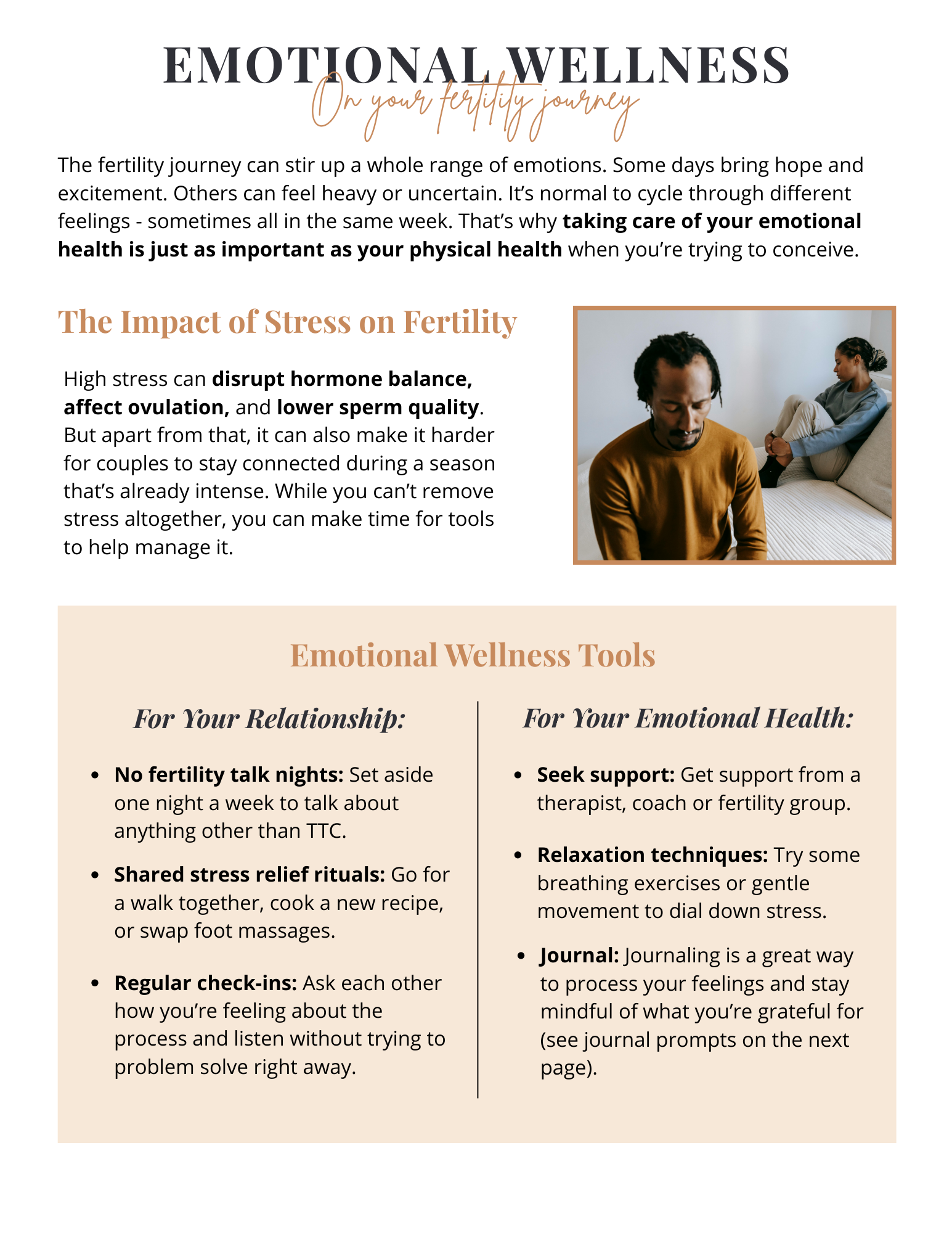
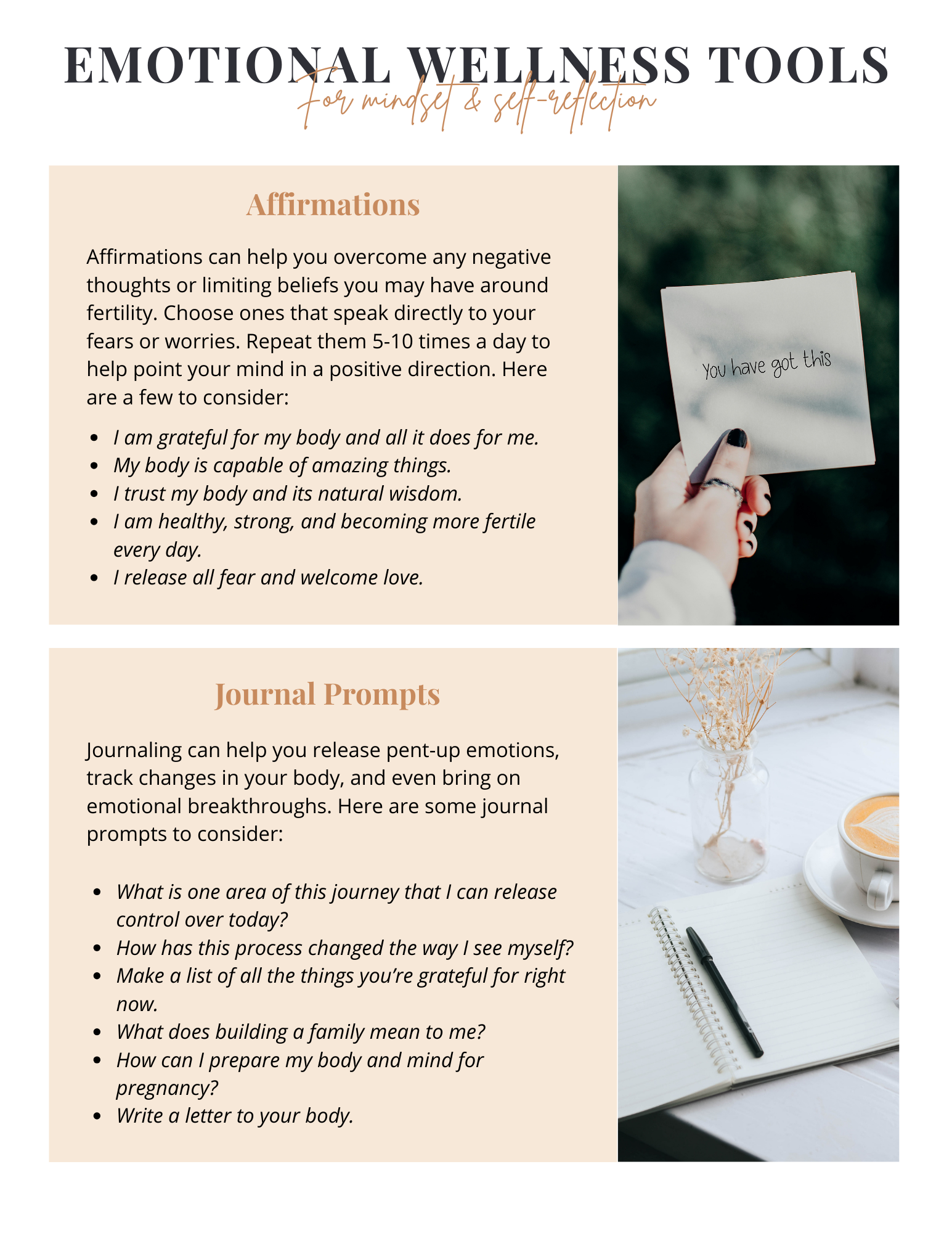
One factor often overlooked in fertility conversations is emotional load.
Trying to conceive places the body in a state of anticipation month after month, which can subtly affect hormone signaling and relationship dynamics. Supporting mental wellbeing is not optional - it’s physiological support.
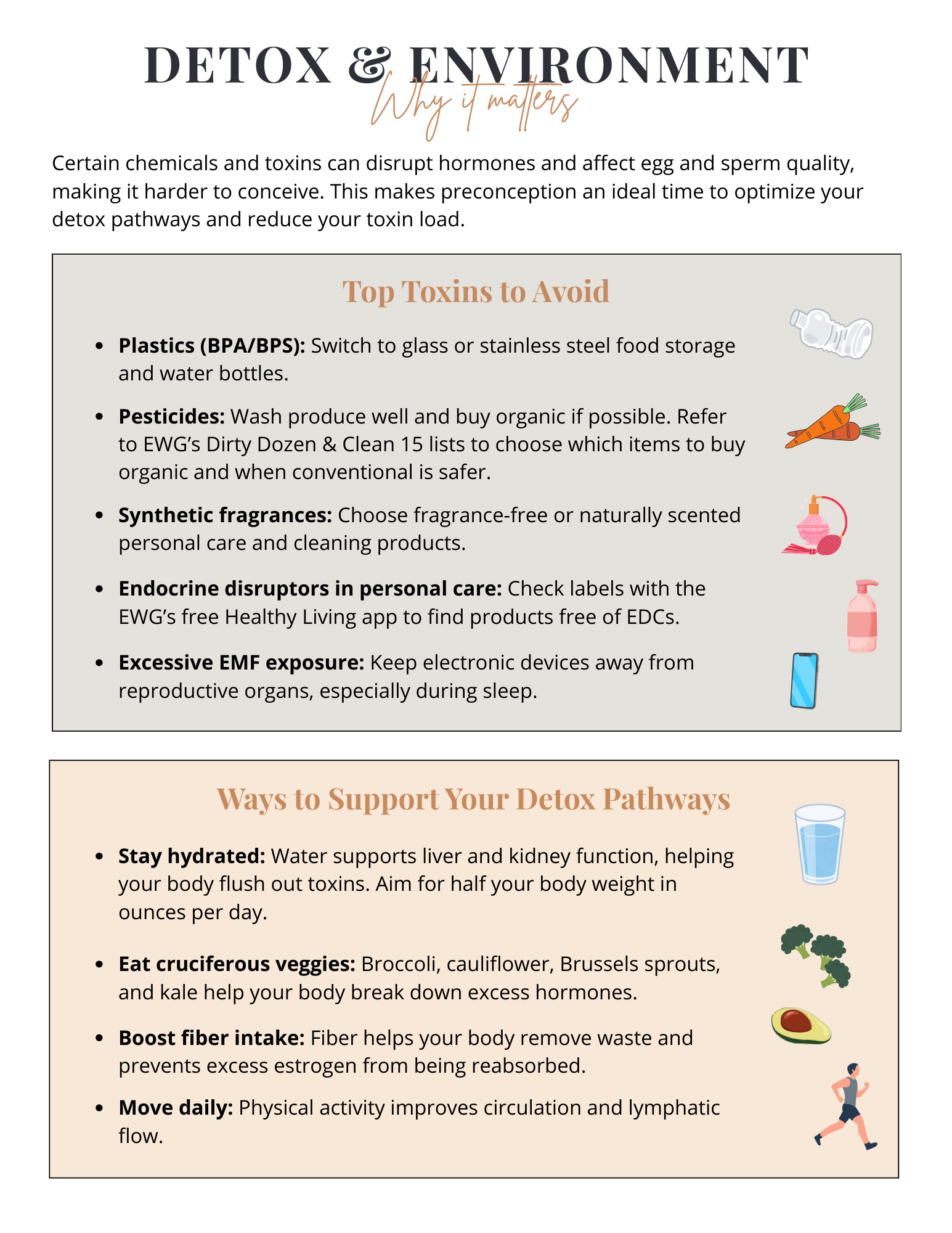
Beyond internal stress, the body also responds to external inputs.
Modern environments expose us to chemicals that didn’t exist in meaningful amounts historically. Reducing exposure doesn’t require perfection - only intentional swaps over time.
Sometimes improvement isn’t about adding more.
Removing friction - habits that interfere with hormones - often produces faster results than stacking new protocols.
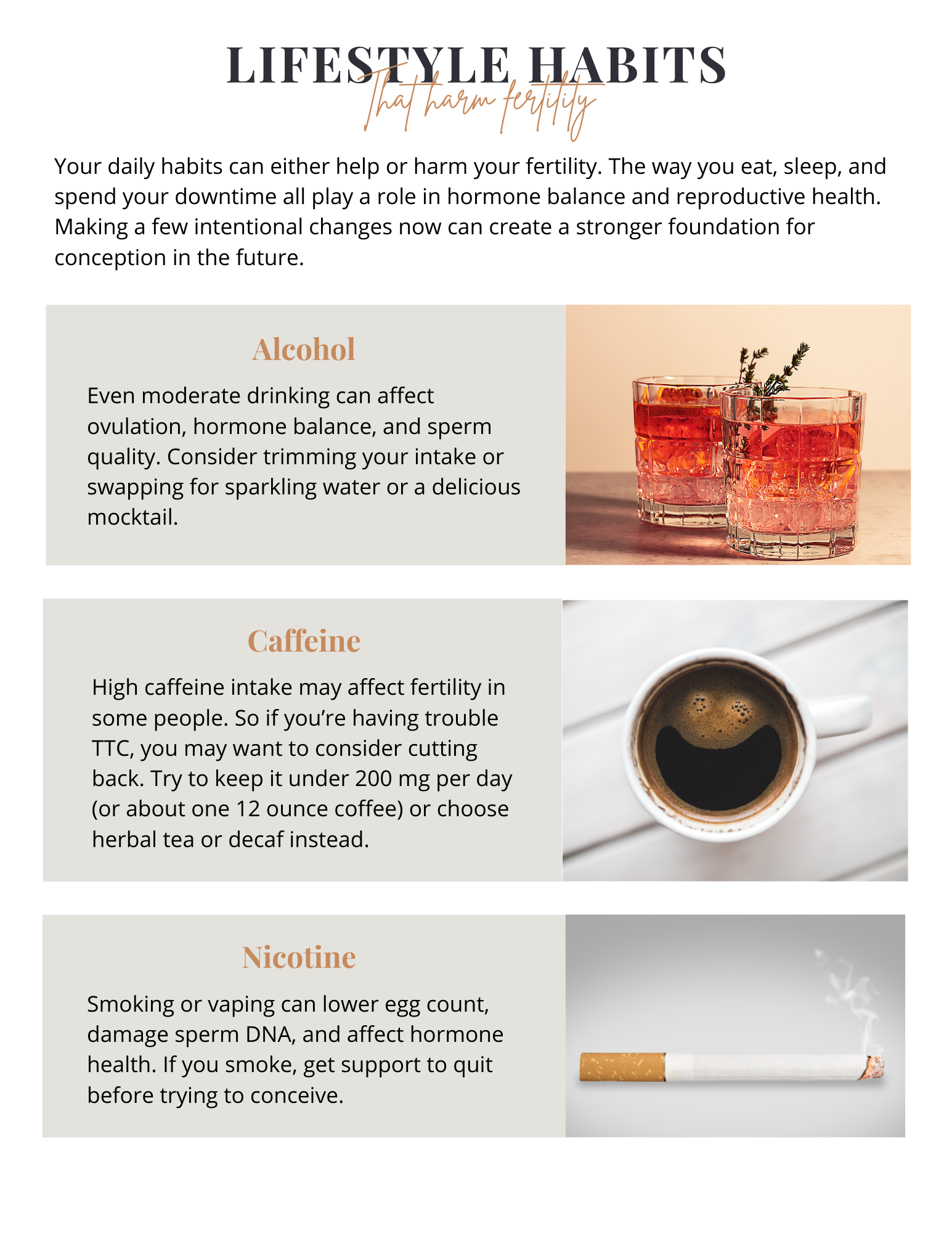
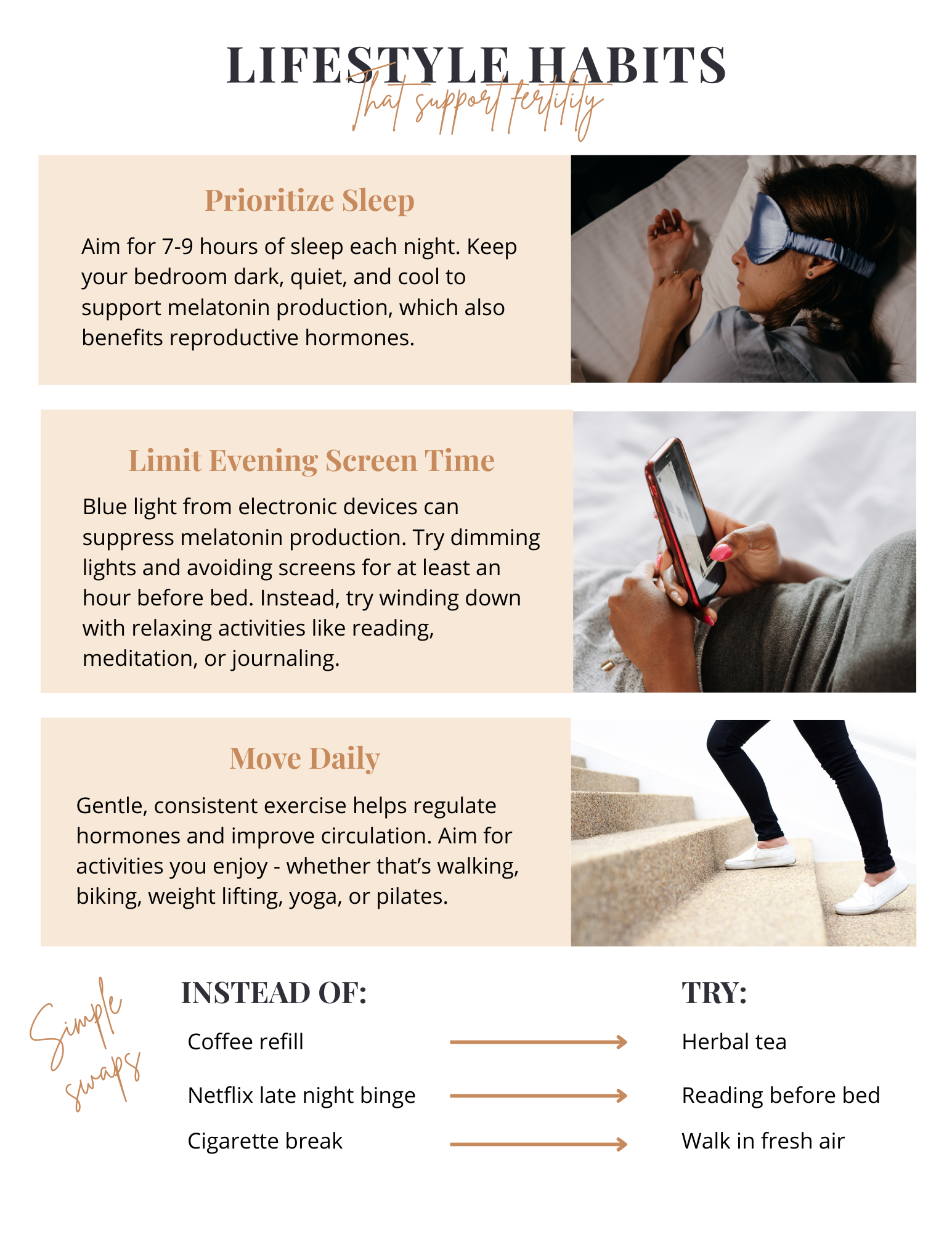
At this point, it can feel like a lot of information.
Instead of changing everything at once, choose a few actions you can repeat consistently. Fertility responds to patterns, not bursts of effort.
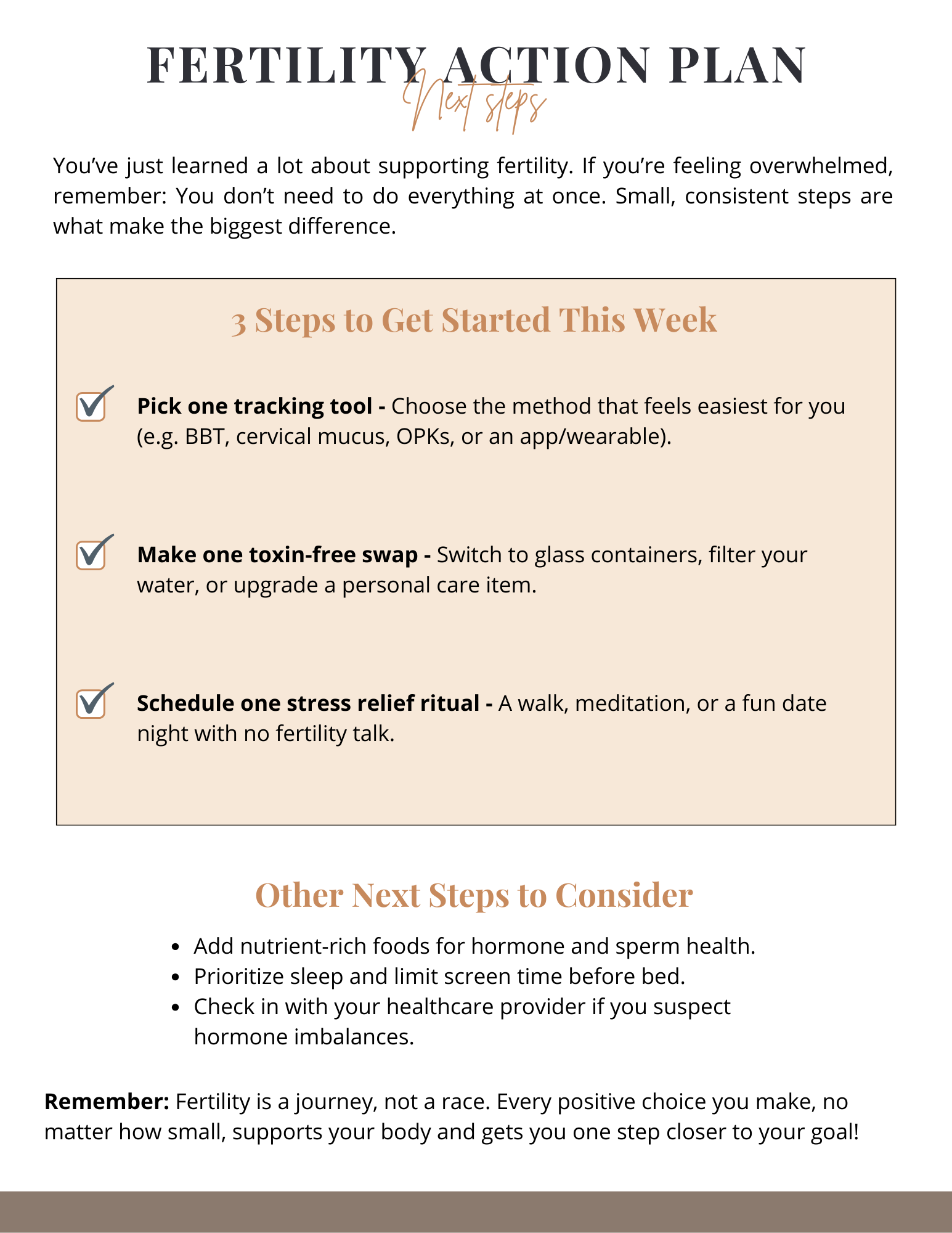
Fertility isn’t a single switch. It’s a reflection of overall physiological health.
When the body senses adequate energy, stable hormones, manageable stress, and a supportive environment, reproduction becomes easier. That’s why progress often happens gradually, then suddenly.
Focus on steady improvements rather than perfect execution. Track patterns, adjust gently, and give your body time to respond.
Every small change compounds.
And regardless of how long the process takes, supporting your health along the way is never wasted effort... it benefits pregnancy, recovery, and long-term wellbeing beyond conception.